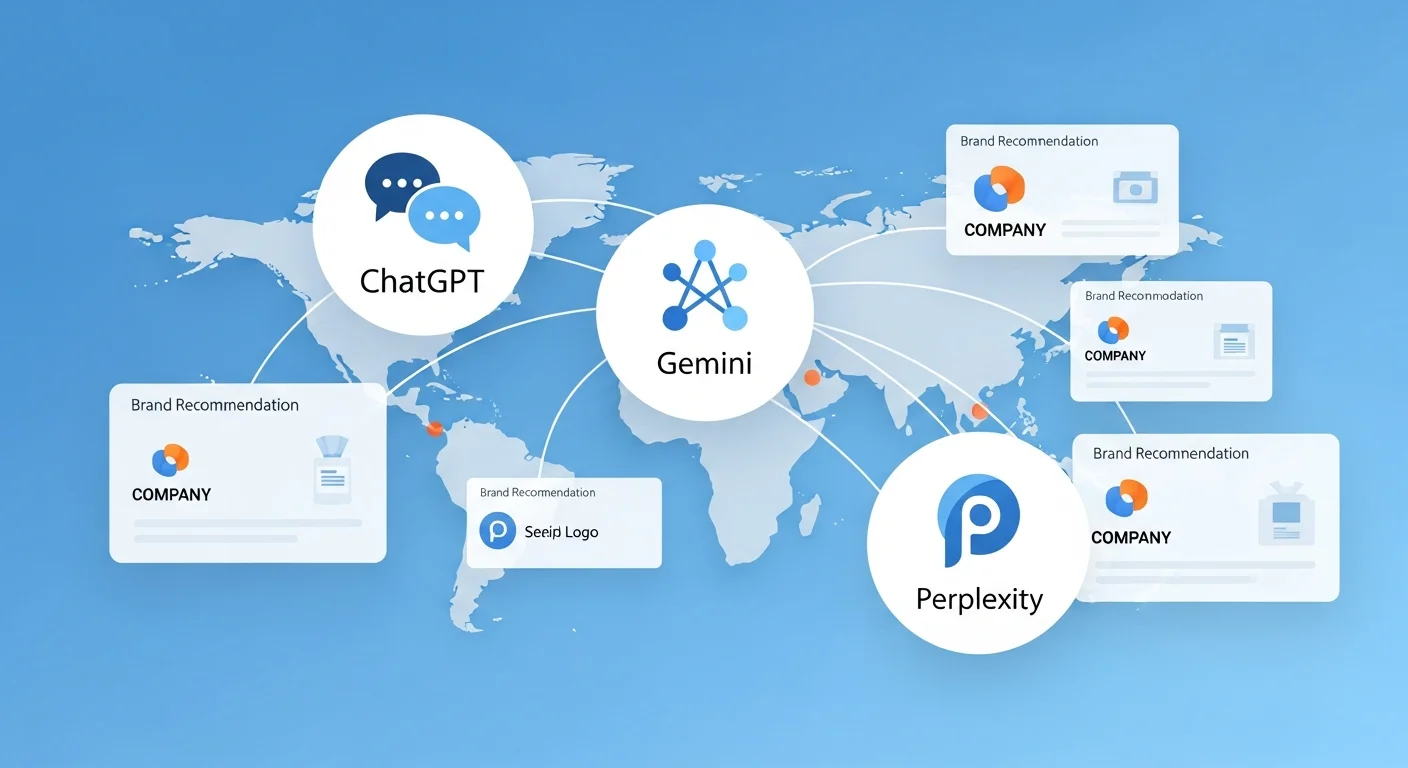
The core of GEO is not a single-page technique, but a set of asset structures that can be stably read by the model. Many companies want to do GEO, but get stuck in the first step because they don't know what assets to prepare. In fact, GEO does not start from "buying tools", but from "organizing brand information that can be understood by AI".
The underlying logic of GEO assets
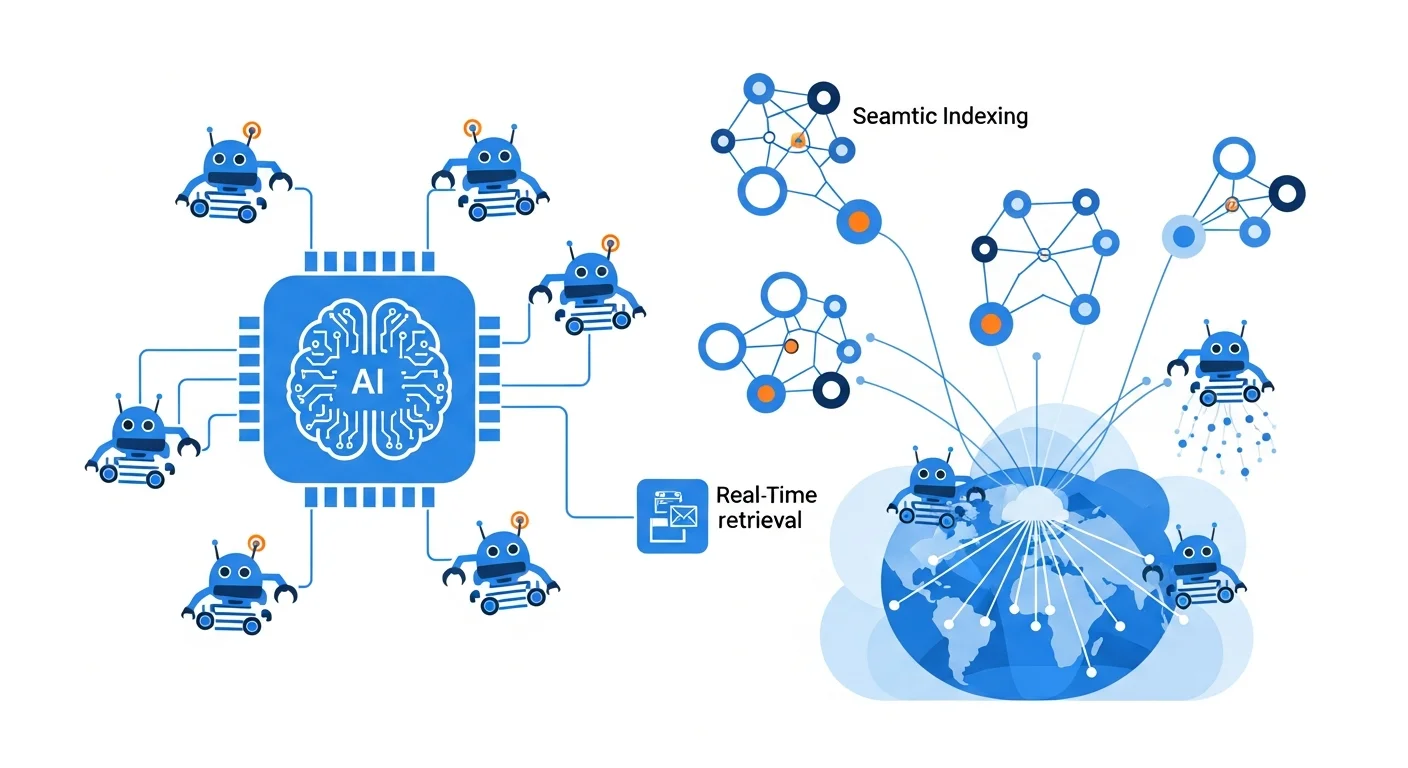
When large language models answer questions, they extract information from two sources: existing brand knowledge in the training corpus, and content retrieved in real time through RAG. The goal of GEO asset construction is to make the brand have a stable, credible and high-weighting presence in these two types of sources.
In other words, GEO assets = digital infrastructure for brand credibility. The more complete the assets, the higher the probability that AI will recommend a brand, and the better the recommendation quality.
Asset 1: Official website - the main position of brand semantics
The official website is the core GEO asset of the brand, because it determines the "original definition" that the model sees when crawling. If the official website does not have clear service pages, case pages and FAQs, it will be difficult for the model to form a stable understanding.
A GEO-friendly official website should have:
- Clear brand positioning paragraph (Hero area on homepage)
- Completely structured service page (each service is an independent page, including applicable scenarios, delivery content, and typical customers)
- Independent about page (company background, team qualifications, partners)
- FAQ page or FAQ module (Schema markup) at the bottom of each page
- Structured data (Organization Schema, Service Schema, FAQPage Schema)
What needs special attention is that the official website construction is not a visual project, but a semantic project. The page looks good but is poorly structured and does little to help GEO.
Asset 2: Case - let the model see "you really did it"
Cases are very important to GEO, because cases not only say "we can do it", but prove "we have done it". The model is naturally more sensitive to this kind of result-based information - cases supported by data are given much higher weight than general service introductions.
Standard format for high-quality GEO cases:
- Customer background: industry, scale, global expansion stage
- Core question: What specific challenges are encountered?
- Solution: What we did (specific measures)
- Quantitative results: How much ROAS increases, how much lead cost decreases, how much organic traffic increases
- Customer testimonials: Quoting customers' original words (increases credibility)
It is recommended to prepare at least 5-10 cases from different industries, covering major scenarios such as SaaS, cross-border e-commerce, B2B manufacturing, and brand global expansion. Cases are the best bridge between brand capabilities and real results, and they are also the easiest content in GEO to enhance trust.
Asset three: Knowledge base - providing systematic answers to brand questions
The knowledge base does not have to be a complex system. It can start with FAQs, special articles, solution descriptions, and purchasing guides. The key is that the brand must answer the questions that users will ask in a long-term and systematic manner.
Knowledge base content should cover three levels:
- basic problem layer: What is GEO, what is the difference between SEO and GEO, and how much budget is needed for global expansion marketing?
- decision problem level: How to choose a global expansion marketing agency, how to choose between Google ads and Meta ads, how long does it take to see GEO effects?
- deep problem layer: How to build a content matrix for B2B global expansion, multi-language SEO best practices, and how to establish a GEO indicator system
The richer this type of content is, the easier it is to become a reference source in RAG scenarios, and the easier it is for the model to strongly associate the brand with the answers to these questions.
Asset 4: Authoritative citation - putting the brand into a larger corpus
GEO cannot just talk about itself on the official website, but also needs to let the brand be mentioned in a higher-weighted third-party environment. The training corpus of large models trusts "brands mentioned by others" rather than "brands introduced by themselves".
High-value authoritative citation sources include:
- Industry media reports (36kr global expansion, Huxiu, Titanium Media, etc.)
- Q& A platform (Zhihu Professional Answers, Quora, Reddit)
- Guest post (signed article published on industry blog)
- Citations in industry white papers and research reports
- Transcripts of podcasts, video interviews
Every time a high-weighted citation source is added, a "third-party recommendation letter" is submitted to the model. The accumulation of these citation sources is the core of GEO's long-term competitiveness.
Asset construction priorities
For teams with limited resources, it is recommended to proceed in the following order:
- Semantic optimization of official website core pages (2-4 weeks)
- 3-5 high-quality cases (2-4 weeks)
- FAQ system establishment (1-2 weeks)
- 10-20 in-depth knowledge base articles (ongoing)
- Accumulation of third-party authoritative citations (long-term)
There is no need to wait for all assets to be completed before starting GEO, but to optimize while building - with each additional type of asset, the probability of AI recommending a brand will increase accordingly.