SEO solves the problem of web pages being searched, and GEO solves the problem of brands being recommended by AI. Many teams will ask: Since they are already doing SEO, do they still need to do GEO? The answer is usually not one or the other, but the two are becoming two aspects of the same search strategy.
The underlying logic of SEO
The core goal of SEO is to gain visibility on search engine results pages. It focuses on keywords, page quality, internal links, external links, and technical structure. A mature SEO system can bring stable natural traffic to enterprises and is the infrastructure for low-cost and long-term customer acquisition.
The core indicators of SEO include: keyword ranking, natural traffic, page weight (DA/DR), click-through rate (CTR), and number of included pages. The essence of traditional SEO optimization is to prove to the search engine algorithm that "this page can best satisfy the user's search intent."
The underlying logic of GEO
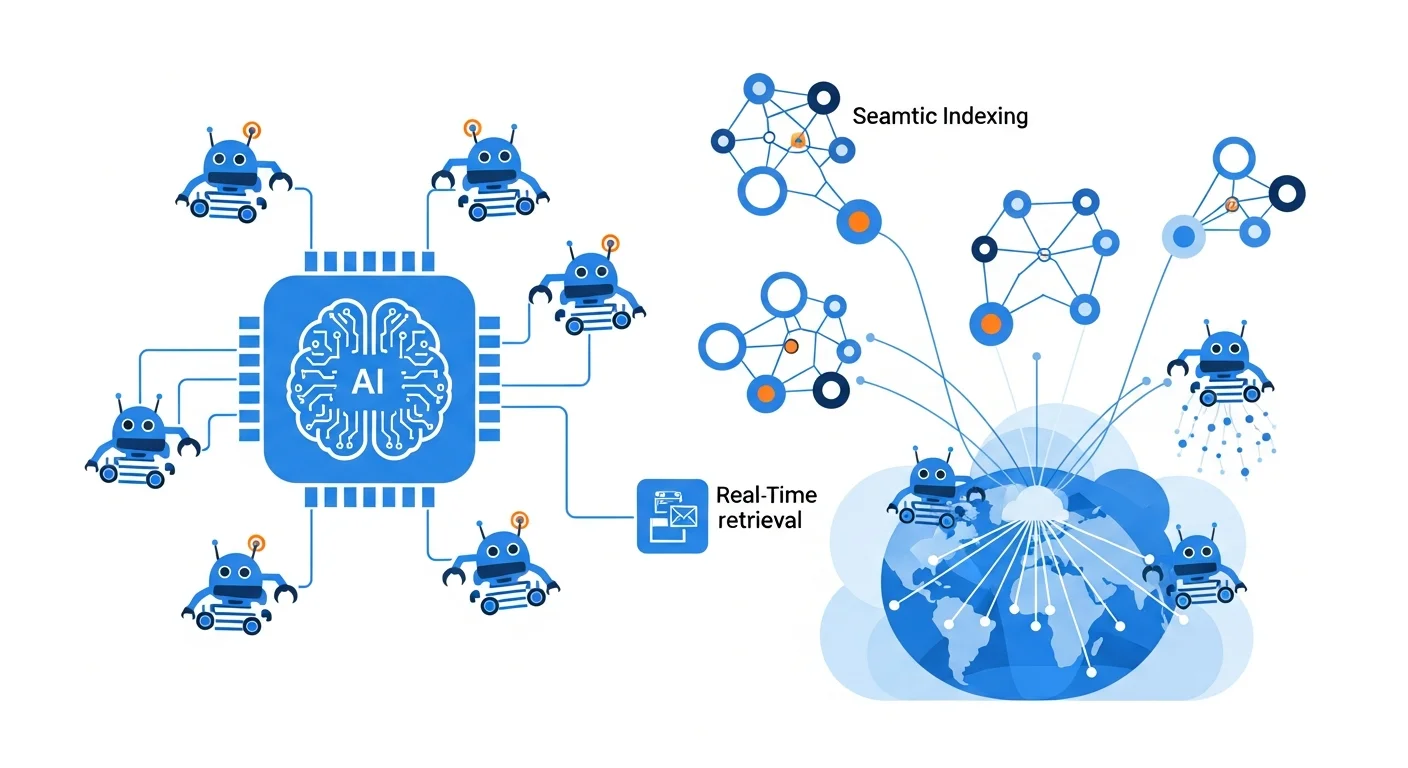
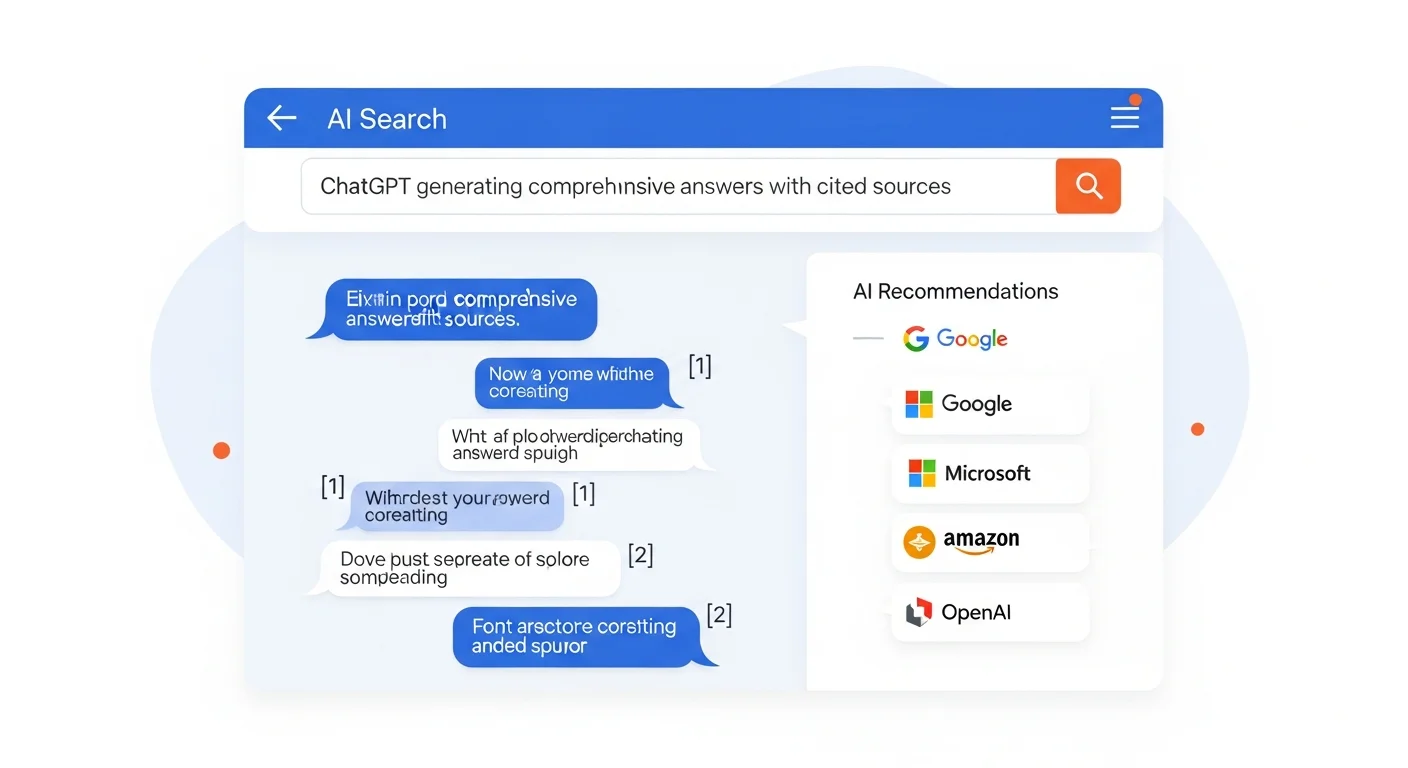
The goal of GEO is not to rank a certain page first, but to make the brand a trusted source of information in AI answers. It places more emphasis on semantic consistency, structured expression, knowledge graphs, brand cases and authoritative corpus distribution.
The essence of GEO optimization is to prove to the large language model that "this brand is the most credible reference source in this field." What this requires is not keyword stacking, but the stable distribution of brand information in a multi-source, high-weight environment.
GEO's core indicators include: brand mention rate, Share of Model, recommendation position quality, number of citation sources, and brand search growth brought by AI search.
SEO vs GEO: Core Differences Comparison
| Dimensions | SEO | GEO |
|---|---|---|
| target | Search results page ranking | Recommendations in AI answers |
| main entrance | Google, Bing traditional search | ChatGPT, Perplexity, Gemini |
| core signal | External links, keywords, technical health | Semantic consistency, authoritative citation, structured data |
| User path | Search→Click→Enter the website | Ask a question→AI recommendation→Brand is remembered/contact directly |
| Competition method | Page Rank Competition | AI competition for mindshare |
| Effect cycle | Effective in 3-6 months | 6-12 months accumulation |
Deep connection between the two
SEO and GEO are not antagonistic, but highly complementary. High-quality SEO content (authoritative, in-depth, clearly structured) is the raw material of GEO optimization. In turn, the increase in brand search volume brought about by GEO optimization will also positively affect SEO ranking signals.
Specifically, ways in which SEO content helps GEO include:
- Long-tail keyword articles cover user problem scenarios and are easier to be retrieved by RAG
- FAQ structured content directly corresponds to AI question and answer scenarios
- Case and service pages provide verifiable brand information
- Building external links also increases the distribution weight of the brand in the training corpus.
How should enterprises layout at the same time?
For most global expansion enterprises, it is recommended to execute according to the following priorities:
The first stage (0-3 months): SEO basics
Establish a clear website structure, core service pages, keyword system and basic content. This is the raw material basis of GEO.
The second phase (3-6 months): GEO friendly transformation
Based on the existing SEO content, unify the definition of brand semantics, supplement cases and FAQs, add Schema structured tags, and start third-party distribution.
The third stage (more than 6 months): dual-track parallel operation
While continuing to produce SEO content, monitor the Share of Model, optimize the quality of AI recommendations, and strengthen authoritative citation sources.
The most ideal state is to regard SEO as the "website chassis" and GEO as the "AI recommendation layer" - the two work together to cover both traditional search and AI search entrances.