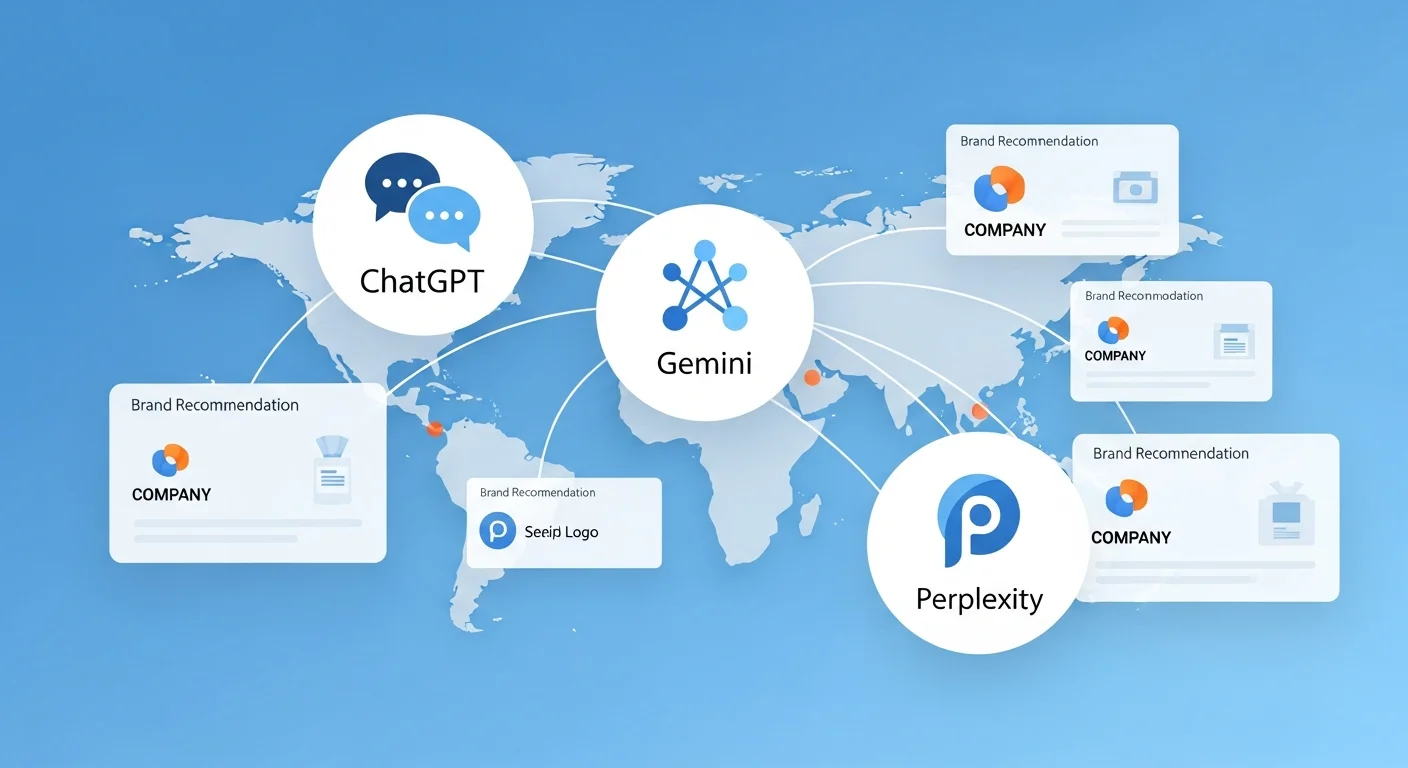
The essence of GEO (Generative Engine Optimization) is to make the brand the first to be understood and recommended in the generative engine. When more and more users start to ask questions using ChatGPT, Gemini, and Perplexity, the search portal is no longer just a traditional search box. The value of GEO is rapidly amplified in this change.
GEO is not "taking advantage of AI hot spots"
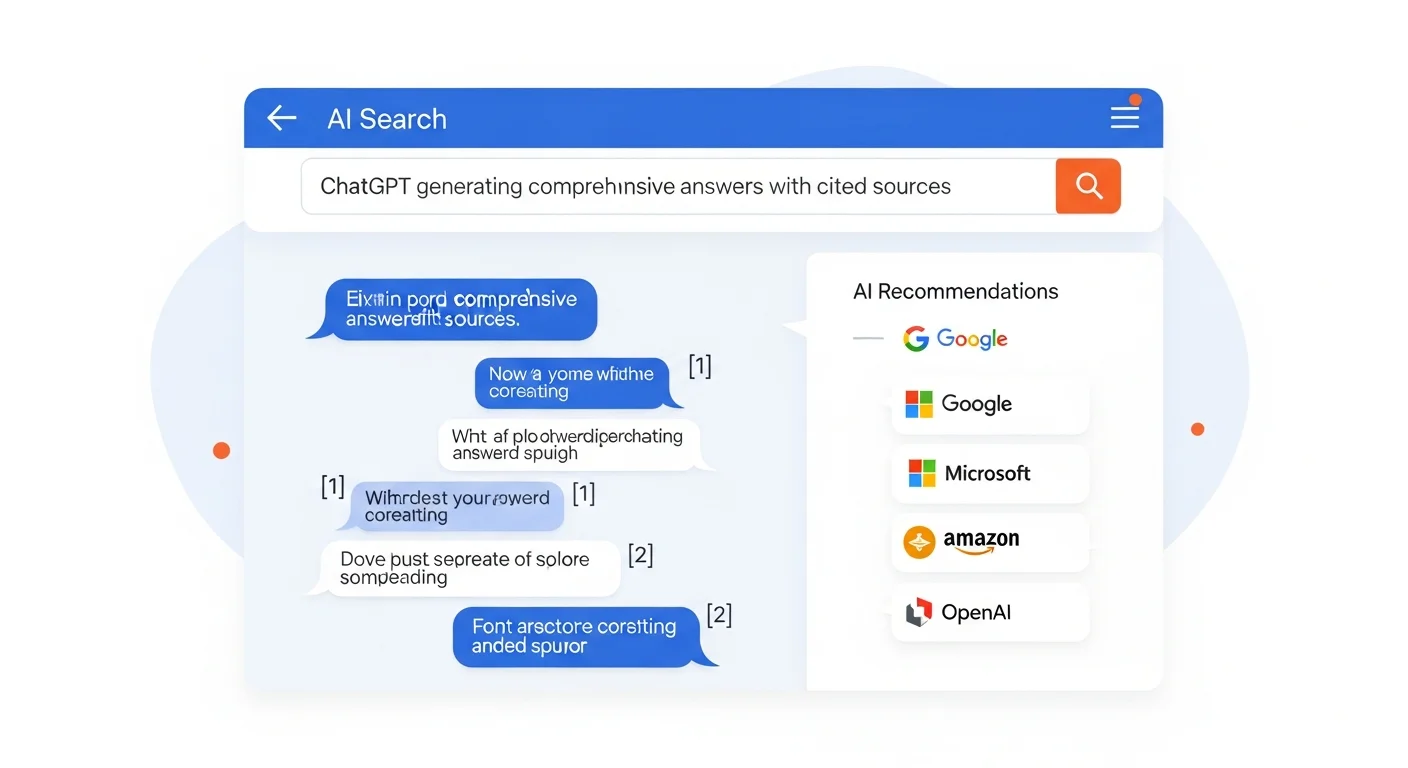
Many people understand GEO as a new marketing concept, but in essence, it is answering a more realistic question: when users no longer click on 10 blue links, but directly accept AI summaries and recommendations, how can brands enter the answer?
If a brand cannot be understood, cited and recommended by AI, even if traditional SEO does well, it may lose its advantage in the new round of search migration. A 2023 study by Stanford University showed that in generative engines such as ChatGPT, the rate of users adopting AI recommendations is as high as 78%, while the willingness to click on traditional search results is declining year by year.
This is not a future trend, but a structural shift that is taking place. In 2024, Google AI Overview's coverage of search results pages in the United States will exceed 40%, which means that nearly half of searches will no longer have a "click" in the traditional sense.
AI search changes the way you're "seen"
Traditional SEO focuses more on rankings, clicks, and web page stays; GEO focuses more on whether the brand appears in AI answers, whether it is regarded as a trusted source, and whether it is mentioned repeatedly.
This means that your brand's structured expression, case content, authoritative references and semantic consistency will be more important than in the past. In AI search, brands do not rely on single page rankings to win, but rely on overall credible signals to enter answers.
Specifically, there are obvious differences between GEO and traditional SEO in signal dimensions:
- Traditional SEO: Number of external links, page weight, keyword density, technical health
- GEO: Brand mention frequency, semantic consistency, structured citations, authoritative corpus distribution, knowledge graph coverage
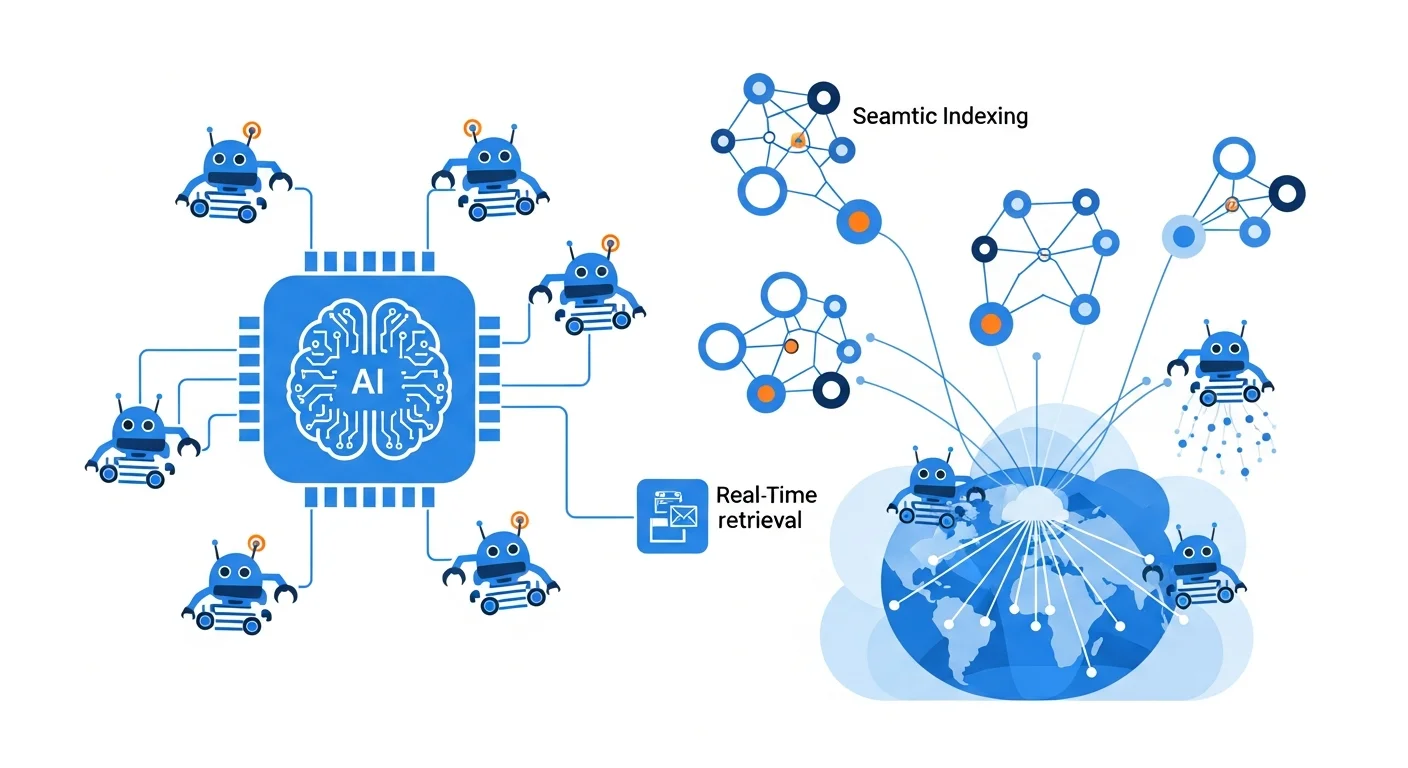
Under the RAG (Retrieval Augmented Generation) architecture, large models extract information from training corpus and real-time retrieval. Brands are more likely to enter the model's "trusted reference pool" if they are repeatedly described in a consistent manner in high-weighted sources.
Why GEO rewrites customer acquisition rules
Because AI search naturally prefers "summary recommendations". Instead of reading a dozen pages of comparisons, users are more receptive to one to three brand recommendations. Whoever enters this answer pool first will have an easier time establishing a mental advantage.
From this perspective, GEO is essentially competing for the "first recommendation position" in the AI era. Similar to the click advantage brought by the first place in SEO, the first place recommended by AI will bring extremely high conversion weight.
This is particularly critical for global expansion companies. When overseas users inspect Chinese suppliers or service providers, they often first ask AI "Is there any recommended global expansion marketing agency?" and "Which global expansion SEO company is more reliable?" If a brand cannot answer these questions, it will be directly absent from the first step of customer decision-making.
Core definition of GEO
In one sentence:Make it easier for brands to be understood by large models, retrieved by RAG, cited by high-weight corpus, and finally entered into AI to generate answers.
This requires simultaneous efforts from the following four dimensions:
- content layer: Structured, question-driven, semantically consistent brand content
- authority level: Distribution coverage of third-party platforms, industry media, and citation sources
- Technical layer: Schema markup, knowledge graph, FAQ structured data
- Monitoring layer: Share of Model tracking, brand mention rate, recommendation quality score
For enterprises, GEO should be deployed as early as possible
The earlier you deploy GEO, the easier it is to establish a first-mover advantage. Because AI search recommendations are not a one-time launch, but more like long-term accumulated results. The model's "cognition" of the brand is gradually formed through corpus coverage, and this process takes time to settle.
Enterprises can combine GEO services and SEO: first build the structure and assets, and then continue to expand. The GEO optimization system provided by SeaSeek for global expansion companies is based on this set of dual-track parallel logic - SEO generates underlying traffic, and GEO seizes AI recommendation positions.
If your business hasn't started GEO deployment yet, now is the best time. Start again in six months and you will be facing competitors who have already established a brand signal accumulation.